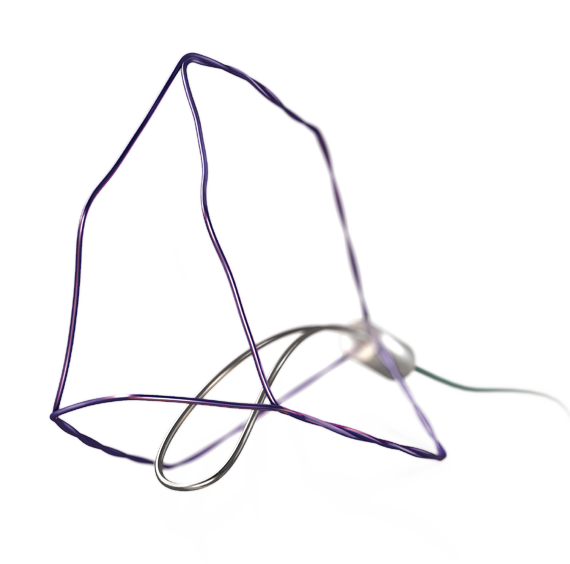
iTind is a minimally invasive treatment option for urinary symptoms caused by benign prostate enlargement (BPH). A urologist places a temporary device in the part of the urethra that passes through the prostate. While in place, it gently reshapes the channel to help improve urine flow; the device is removed after several days, so no permanent implant is left behind. A urologist can assess whether it fits your prostate anatomy and treatment needs.
The temporary device expands within the prostatic urethra and applies gentle pressure at selected points. Over several days, it reshapes the channel to reduce obstruction. The device is then removed by the urologist; no permanent implant remains.
Your symptoms, prostate anatomy, medical history and preferences help guide treatment selection. Ask your urologist about the placement and removal visits, expected benefits, alternatives and whether iTind is available and appropriate for you.
While the temporary device is in place, some people experience urinary discomfort, burning, urgency, blood in the urine or pelvic discomfort. Infection or difficulty passing urine can also occur. Your care team will review the risks and tell you when to seek help.

We must explain to you how all seds this mistakens idea off denouncing pleasures and praising pain was born and I will give you a completed accounts off the system and expound.
Consultation