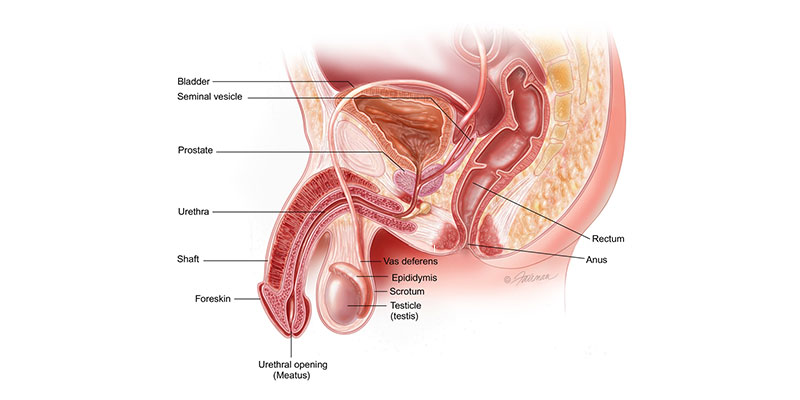
Circumcision is a surgical procedure to remove the foreskin, the fold of skin covering the head of the penis. In adults, it may be considered for problems such as a tight or scarred foreskin, recurrent inflammation or infections, or other medical reasons. A urologist will assess the cause of symptoms and discuss suitable treatment options with you.
A urologist may discuss circumcision when the foreskin is persistently tight or difficult to retract, or when repeated inflammation, infection or scarring causes ongoing problems. Depending on the diagnosis, other treatments may also be possible. The benefits and risks should be discussed before deciding on surgery.
Circumcision removes the foreskin surgically. The procedure is performed with an appropriate form of anaesthesia, and the wound is closed and dressed according to the surgeon's plan. Your urologist will explain preparation, the technique planned for you, and what to expect on the day of surgery.
Some swelling, bruising, tenderness and sensitivity are common during early healing. Recovery instructions are individual; healing may take several weeks. Possible complications include bleeding, infection, wound-healing problems, scarring or changes in sensation. Follow your surgeon's wound-care and activity advice, and contact the clinic if you have concerns.

We must explain to you how all seds this mistakens idea off denouncing pleasures and praising pain was born and I will give you a completed accounts off the system and expound.
Consultation